
How Perimenopause, Menopause and Post Menopause Affect Your Hair.
Hormonal changes do affect your hair.
Have you noticed changes in your hair as you have aged? Hormonal changes during perimenopause, menopause, and post menopause directly affect hair growth and texture. Hair can lose elasticity and feel rougher. Some women notice more shedding, others notice the ponytail just feels smaller.
Did you know that hormonal changes can directly impact your hair's texture and growth? As estrogen levels decline, the hair growth cycle can shorten and strands may become finer. The lifetime of a hair can last up to 7 years. During that time your hair goes through a long period of growth, followed by rest, before eventually falling out. Over time that growth period shrinks, while hair loss increases. It's normal for adults to lose 100 hairs a day and that amount goes up with age. At the same time oil production slows, which is why the hair often feels drier and less shiny than it used to.
In simple terms? Your hair isn't "acting up" it's responding to biology.
And even if you're not in this stage yet, aging alone gradually changes how hair behaves so this applies more broadly than most people realize.

Why Grey & Mature Hair Can Feel Coarser or Thinner.
Do you find your hair harder to manage as it turns grey? Research shows that grey hair can have structural differences in the fiber and cuticle, which can make it feel rougher or more wiry. The pigment (melanin) in your hair also helps retain moisture, without it grey hair tends to be drier. Aging hair often has fewer cuticle layers which makes it rougher to the touch, the hair shaft can twist or become more wiry as the follicle ages. Grey hair absorbs and holds less natural oil from the scalp so it feels stiffer and less smooth. Not everyone experiences -- this but it's common.
Many women also notice decreased density or thickness over time. Grey hair in particular can be more resistant to colour and more wiry and texture. On top of that many women notice subtle thinning around the hairline or crown. This is where the right cut, the right colour placement, and the right products matter more than ever. This can happen because individual strands become slightly finer and the active growth phase of hair shortens with age.

Haircuts & Structure: The Science of Fuller Looking Hair
When hair thins or loses density, shape matters more. Removing fragile ends and building structure through strategic layering can create the appearance of more volume. This isn't about cutting it short unless you want to -- it's about eliminating length that no longer supports fullness. A well designed haircut changes how light hits the hair and how it moves.
Have you considered how the right haircut can make your hair look fuller?
Coloring Mature or Grey Hair
Heavy solid colour can create contrast at the root and make re -- growth more obvious. "Are you struggling with visible regrowth or resistant grey hair? Dimensional colour like lived - in balayage, soft highlights or gray blending diffuses regrowth and creates visual depth. When light reflects off multiple tones instead of one flat shade hair appears fuller and softer. Whether you want full grey coverage or subtle blending the goal is strategic placement that grows out gracefully and supports your lifestyle


Tips For Managing Mature Hair at Home
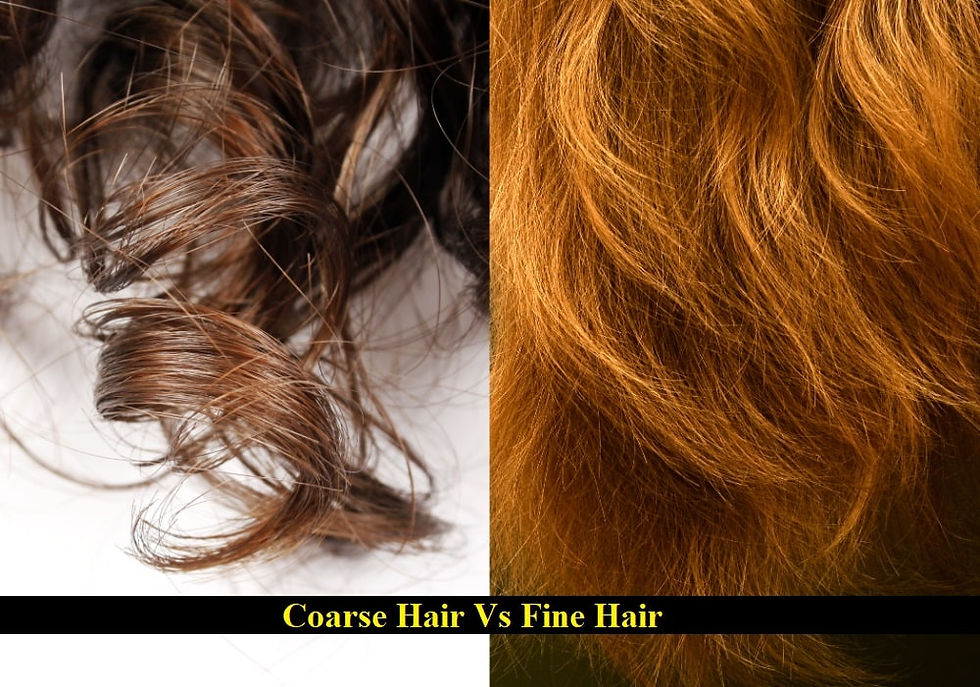
*Pay attention to your hair type. Knowing whether your hair is curly and coarse or straight and fine can guide you to use the best products for your hair and scalp.
*Pay attention to how often your hair gets dirty or oily and shampoo accordingly. If your hair is dry, don't shampoo every day. When you do shampoo apply a gentle shampoo focusing on your scalp.
*How often do you exfoliate your scalp to remove buildup and stimulate growth?
Once a week use a clarifying shampoo and gently massage your scalp to stimulate your follicles. This is your scalp exfoliant, removing dead skin cells and product build up.
*Use a conditioner designed for your specific hair needs. Avoid fine tooth combs, instead use a brush or a wide tooth comb that can gently glide through your hair.
*Protect hair when using heat styling tools with a heat protectant product.

Mature hair isn't the end of great hair. It's just a new chapter.
If what you've always done suddenly isn't working, that's not failure - it's feedback. Hormones shift, texture changes, density can dip. That doesn't mean you're stuck with dull, thinning, lifeless hair. It means your hair needs something different now.
What changes have you noticed in your hair, and how have you adapted your routine?
With the right care, the right products, and a strategy that supports this stage of life, your hair can still be full, healthy, luminous and beautiful. You don't need to chase your 25 year old hair, you need to support your current hair.
If you're feeling unsure about where to start you don't have to figure it out alone. I'm always happy to answer questions, guide you through the changes, and help you build a plan that works for your hair now. Reach out anytime, I'd love to support you on this journey.


Comments